Small pets like hamsters, guinea pigs, and rabbits bring joy to many homes, but the plastic products we use for them might pose hidden risks. Plastics can contain toxic additives that may leach out, especially when pets chew on them, potentially affecting their health. This article explores whether we can and should avoid plastic for small pets, focusing on the potential toxicity and offering practical alternatives.
Misleading Markets: A Small Pet Expert’s View on Unsafe Products
Why do reputable pet product companies—ones we trust—continue to market products that are clearly harmful to small pets, despite widespread knowledge about what these animals need?
Small Mammals Ownership And Sustainability
Exploring eco-friendly ways of keeping rodents and rabbits based on the industry’s new solutions.
Accessories : Can We Avoid Plastic ?
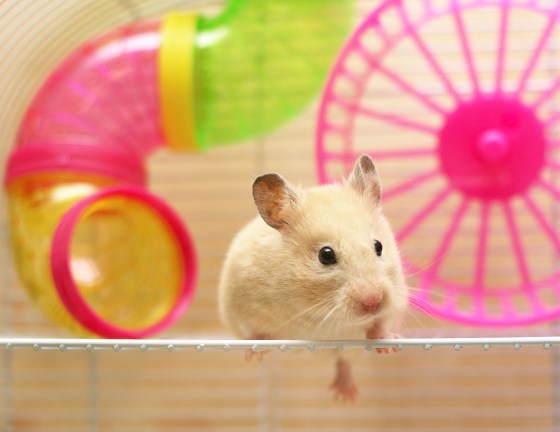
Many accessories for your small pets are made of plastic. Plastic is a great source of pollution all over the planet and is sometimes not safe. It is however possible to find some eco-friendly, natural and sustainable alternatives.
A Beginner’s Guide to Chinchilla Dustbath
In order to keep their lush fur clean and healthy, chinchillas need to bathe in dust. Here’s what you need to know.
Vitamin C Tablets For Guinea Pigs : Are They Really Useful ?
In order to avoid scurvy, guinea pigs need a daily dose of vitamin C, with the help of tablets provided by the pet industry.
Design Accessories For Small Mammals
Nowadays, pet brands are offering innovative and modern looking products for little critters.
Small Mammals Trends
The rising popularity and appeal of small mammals has contributed to the growth of this market, with the current pet humanisation trend creating many opportunities for value-added products.